How Global Politics Could Shape Leadership in 2027
17 Nov, 20263-minutes
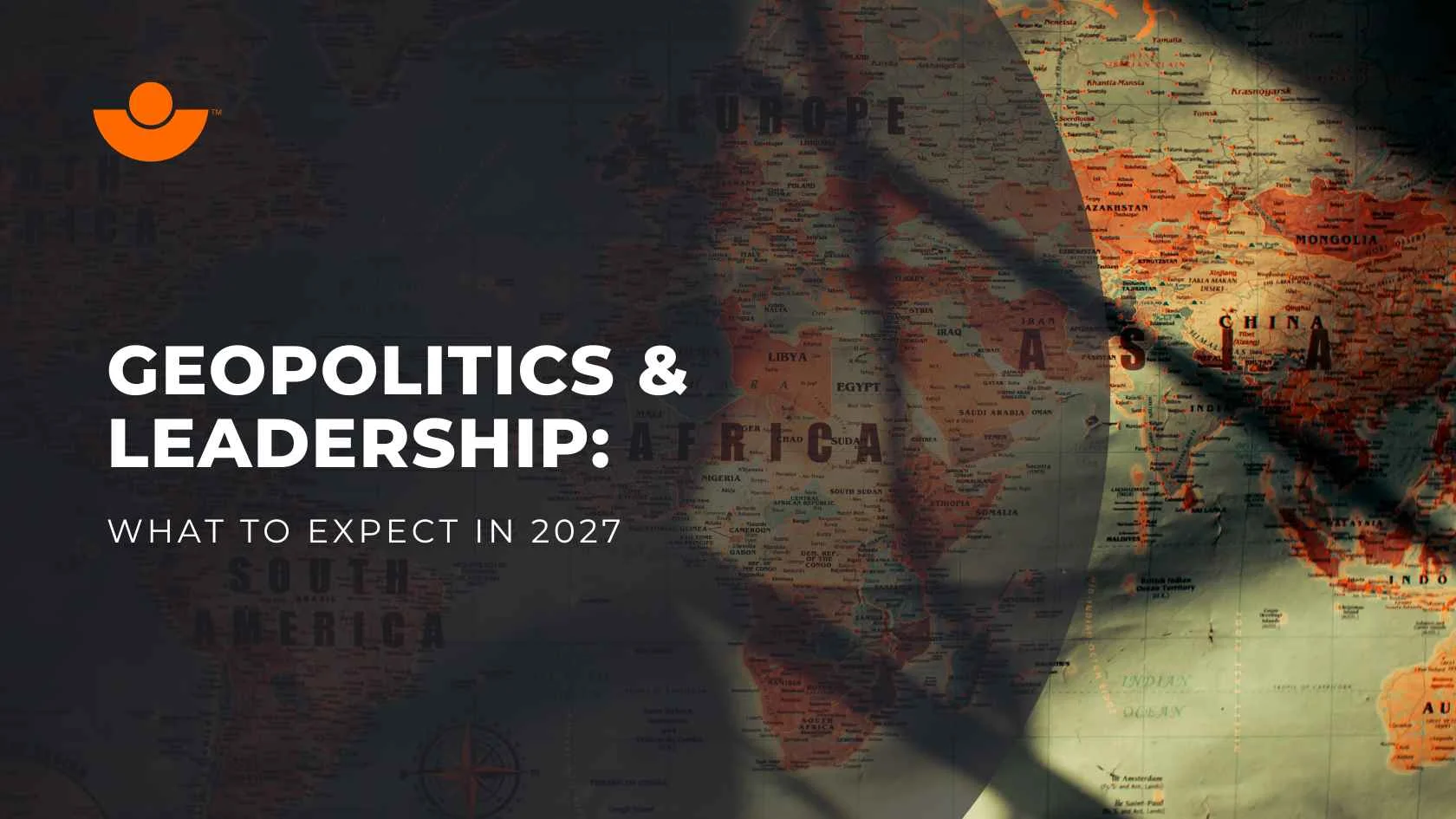
The world is changing. So is the way businesses plan for the future.
From ongoing conflicts in Ukraine and the Middle East to shifting political priorities in the United States and the UK, global developments are influencing investment, operating costs and economic confidence.
For businesses across Northern Ireland and the Republic of Ireland, this raises an important question: what kind of leadership is needed to navigate an increasingly unpredictable world?
As 2027 approaches, CEOs and boards are reassessing their strategic priorities, the capabilities of their executive teams and how best to position their organisations for future growth.
To understand what this means in practice, we spoke with Alex Noble, our Head of Executive Search. Working closely with CEOs, boards and senior decision-makers, Alex offers first-hand insight into how economic uncertainty, emerging technologies and evolving business needs are influencing executive appointments.
We explore his perspective on the leadership challenges ahead and what businesses should consider as they plan for 2027.
Global uncertainty is changing business planning
Geopolitical developments may unfold thousands of miles away, but their economic implications can be felt much closer to home.
International conflict, changing trade policies and political uncertainty can influence energy costs, supply chains and investment decisions, creating additional considerations for businesses operating across Northern Ireland and the Republic of Ireland.
And according to Alex, this is already changing how some organisations plan.
"We're finding that leaders are putting plans in place for much shorter periods. Where businesses previously looked five or ten years ahead, we're now seeing planning cycles of two to three years."
While long-term ambitions remain important, shorter planning cycles are placing greater emphasis on agility, commercial judgement and the ability to deliver results within more immediate timeframes.
For boards reviewing their executive teams, this raises a key question: are we appointing leaders for the business we were, or the business we need to become?
AI is redefining executive leadership
Geopolitics isn't the only force influencing leadership decisions in 2027.
Artificial intelligence is changing how organisations approach productivity, efficiency and business transformation. And it's increasingly becoming a consideration across executive appointments, not just technology-focused roles.
"AI is the most talked-about topic, regardless of the event, meeting or discussion. Executives across all disciplines are increasingly being developed to become technology leaders because AI is impacting every area of business," explains Alex.
From finance and operations to HR and commercial strategy, senior leaders are being challenged to understand how technology can improve performance and create opportunities.
This doesn't mean every executive needs to become a technical expert. But the ability to embrace innovation, evaluate emerging technologies and lead teams through change is becoming increasingly valuable.
Adaptability: A defining leadership capability for 2027
With businesses balancing growth ambitions against economic uncertainty and tighter budgets, adaptability and innovation are emerging as important leadership qualities.
For Alex, relying on approaches that worked five, ten or fifteen years ago may no longer be enough.
Leaders need to demonstrate that they can challenge established thinking, respond to changing market conditions and identify new ways to deliver results.
Experience remains essential, but so does the ability to apply that experience in unfamiliar circumstances.
For organisations considering senior appointments, the focus should extend beyond a candidate's previous achievements to how effectively they can lead through change.
The question isn't simply what a leader has achieved, but what they're capable of achieving next.
A more flexible approach to executive recruitment
As strategic planning evolves, so too can the way businesses access executive expertise.
Permanent leadership appointments remain important, but organisations facing transformation projects, temporary skills gaps or specific commercial challenges may benefit from more flexible solutions.
Alex encourages businesses to explore interim and fractional executive appointments as part of their leadership planning.
"Look for short-to-medium-term solutions. Interim and fractional talent is becoming more available to businesses throughout Northern Ireland. Explore different options to help plug any gaps in your leadership team."
Interim executives can provide experienced leadership during periods of transition, while fractional appointments offer access to specialist senior expertise on a flexible, part-time basis.
For businesses planning ahead, the priority should be identifying the capabilities they need and choosing the appointment model that best supports their objectives.
Looking ahead to 2027
While global events remain difficult to predict, businesses can take practical steps to strengthen their leadership teams.
For CEOs and boards across Northern Ireland and the Republic of Ireland, 2027 presents an opportunity to reassess executive capabilities, address leadership gaps and explore new approaches to succession and senior appointments.
At MCS Executive, we work with organisations across the island of Ireland to identify executive talent aligned with their strategic ambitions, whether through permanent appointments or flexible leadership solutions.
The future may be uncertain. The value of strong leadership isn't.
Speak to the MCS Executive team about your leadership requirements for 2027.
Related Posts
Are Boards hiring for the past or for the future?
31 Jul, 2026